Teaching #HISPinParis is really engaging as a teacher in large part because I get to introduce students to new places, some of which they probably wouldn’t see otherwise. That said, it’s pretty rare that I get to see something completely new to *me*. I lived in Paris for the first 15 years of my life and have returned regularly since, so I don’t get that particular joy of first discovery all that often.
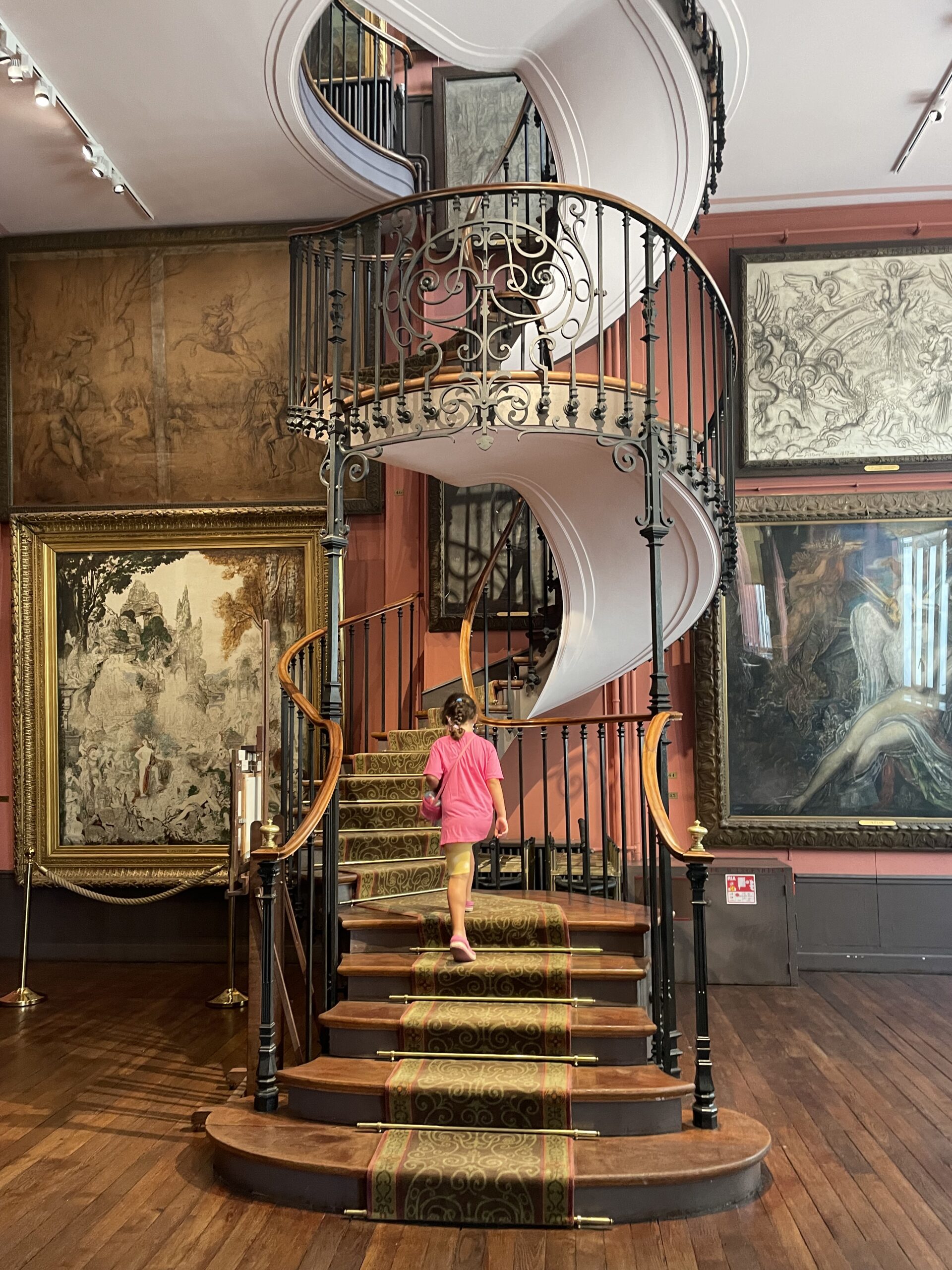
But! Today I got to experience it. We were walking around after lunch (Komorebi. All homemade, mostly baked goods, including gluten free items. DELICIOUS! 10/10) and meandered down the hill towards the métro when I spotted the Musée Gustave Moreau. I did not know this artist, nor did Ben. But it was cheap and we were in the mood for art and a quick google search showed a staircase worth the price of entry alone.
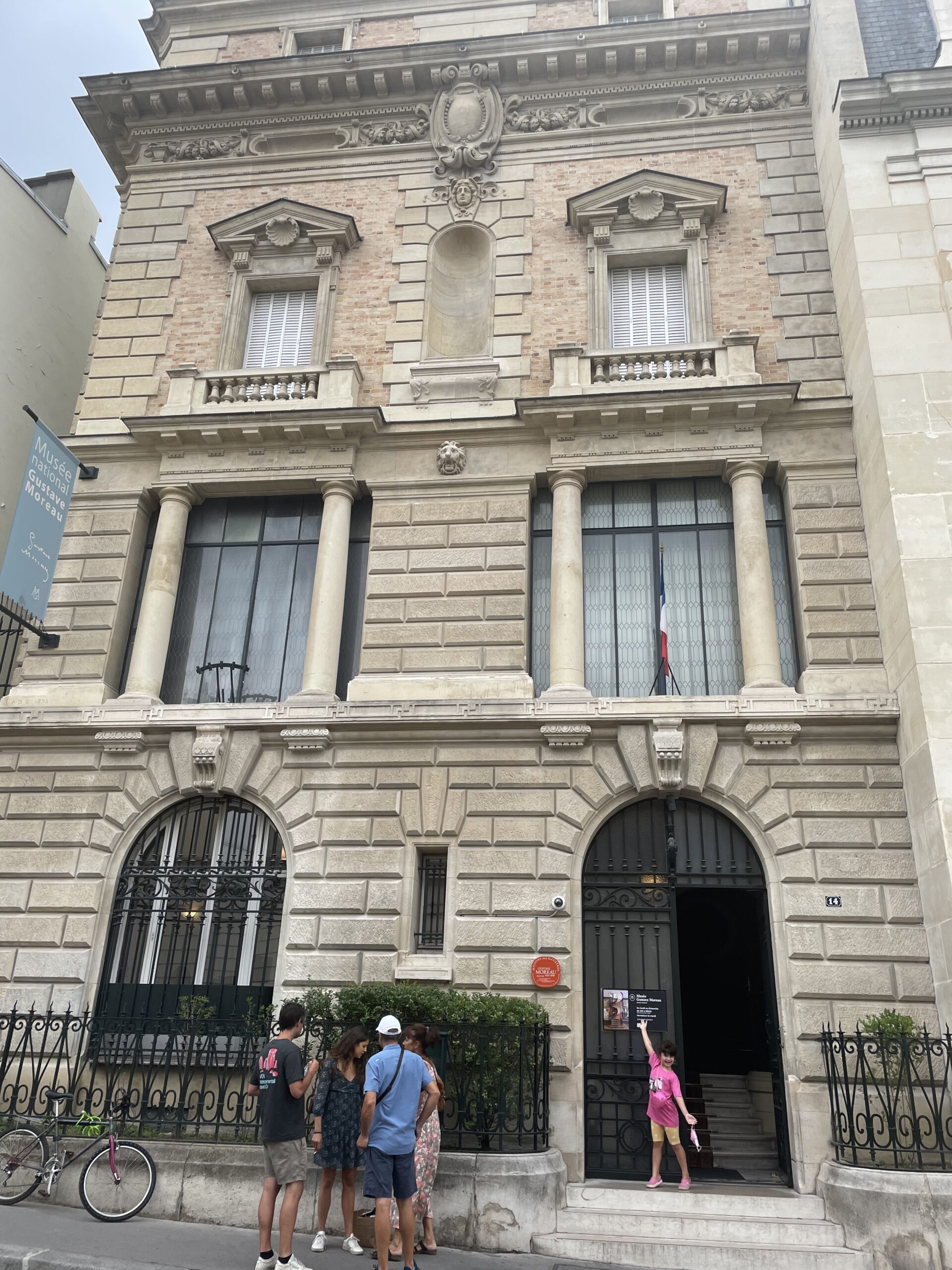
So: we went to the museum and I loved it. After the Musée d’Orsay earlier this week, this was a wonderfully, completely different experience.
The house museum was actually bequeathed to the state by Moreau upon his death. It’s been a museum dedicated to his life and art since 1903 and basically hasn’t changed since. The house consists of four floors. The bottom two are kept almost exactly the way he had them in life, with the art and furniture unchanged. The top two stories he redesigned himself right before his death, and they house most of the collection. The topmost story had been his atelier when he worked, and in life he did not allow visitors there.
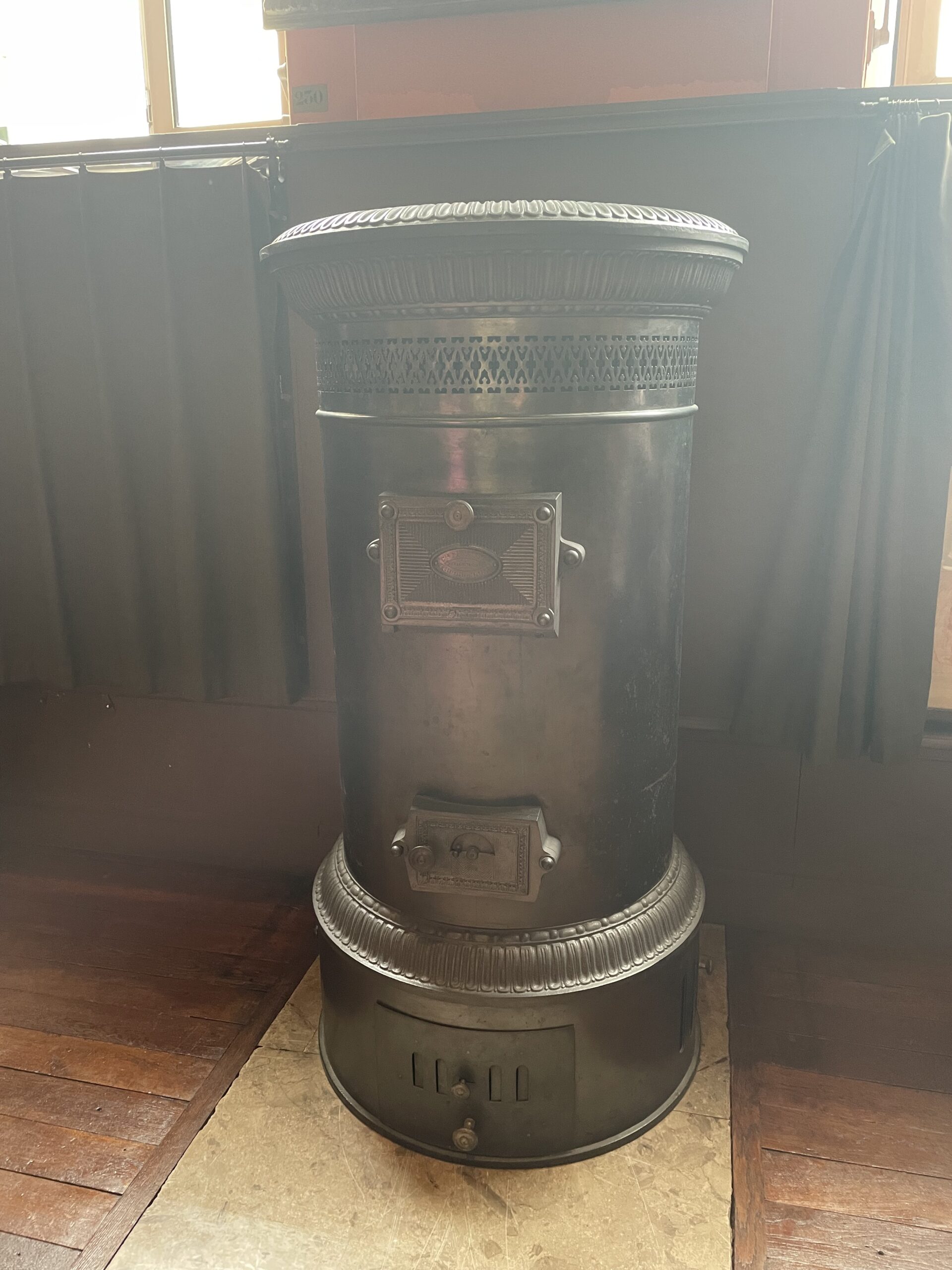
This museum feels a little like trespassing into the artist’s brain since it’s all his life’s stuff, including his bed, his toilet (!!), his old paint brushes and paint tubes.
And the art. Well. I am not an art historian but I do like art quite a bit. I was, I’ll admit, completely unaware of his work prior to the visit. Not only did I really connect with his art, but I then – of course – read up on him when we got back to our apartment. It turns out this guy was really innovative and influential in his lifetime (and that even though he lived part of his life as a “hermit” and didn’t like exhibiting his work in salons or selling his paintings).
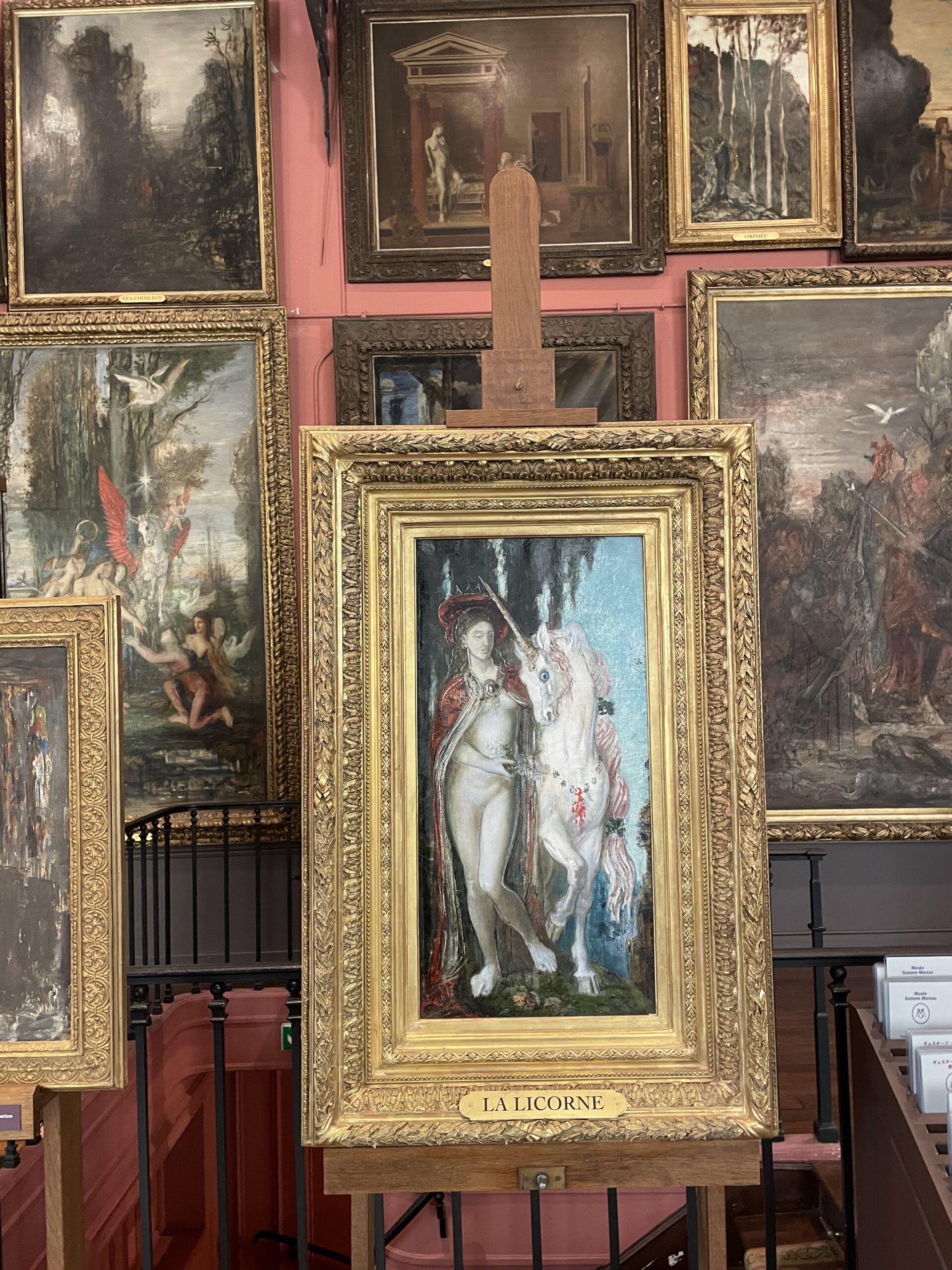
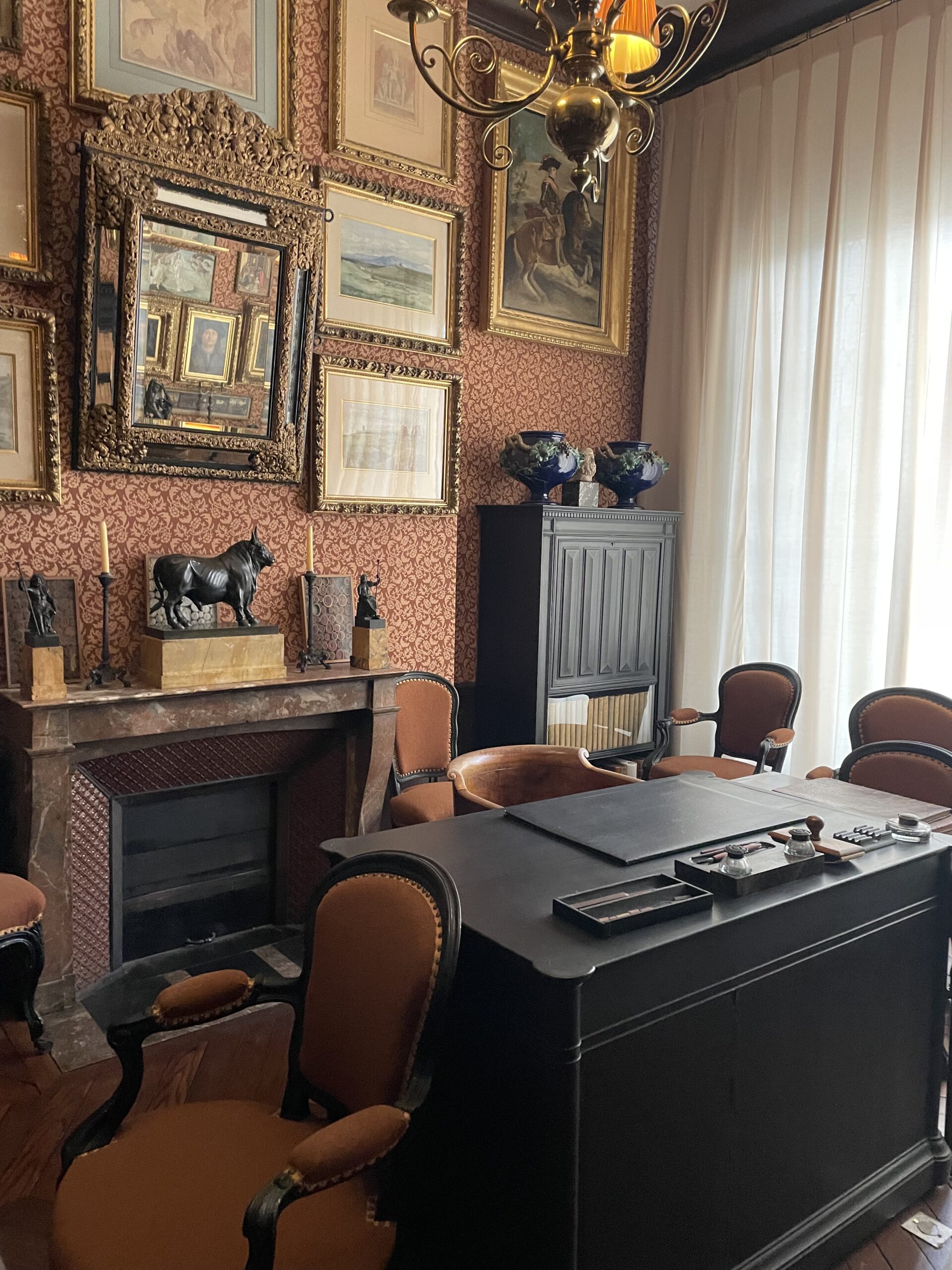
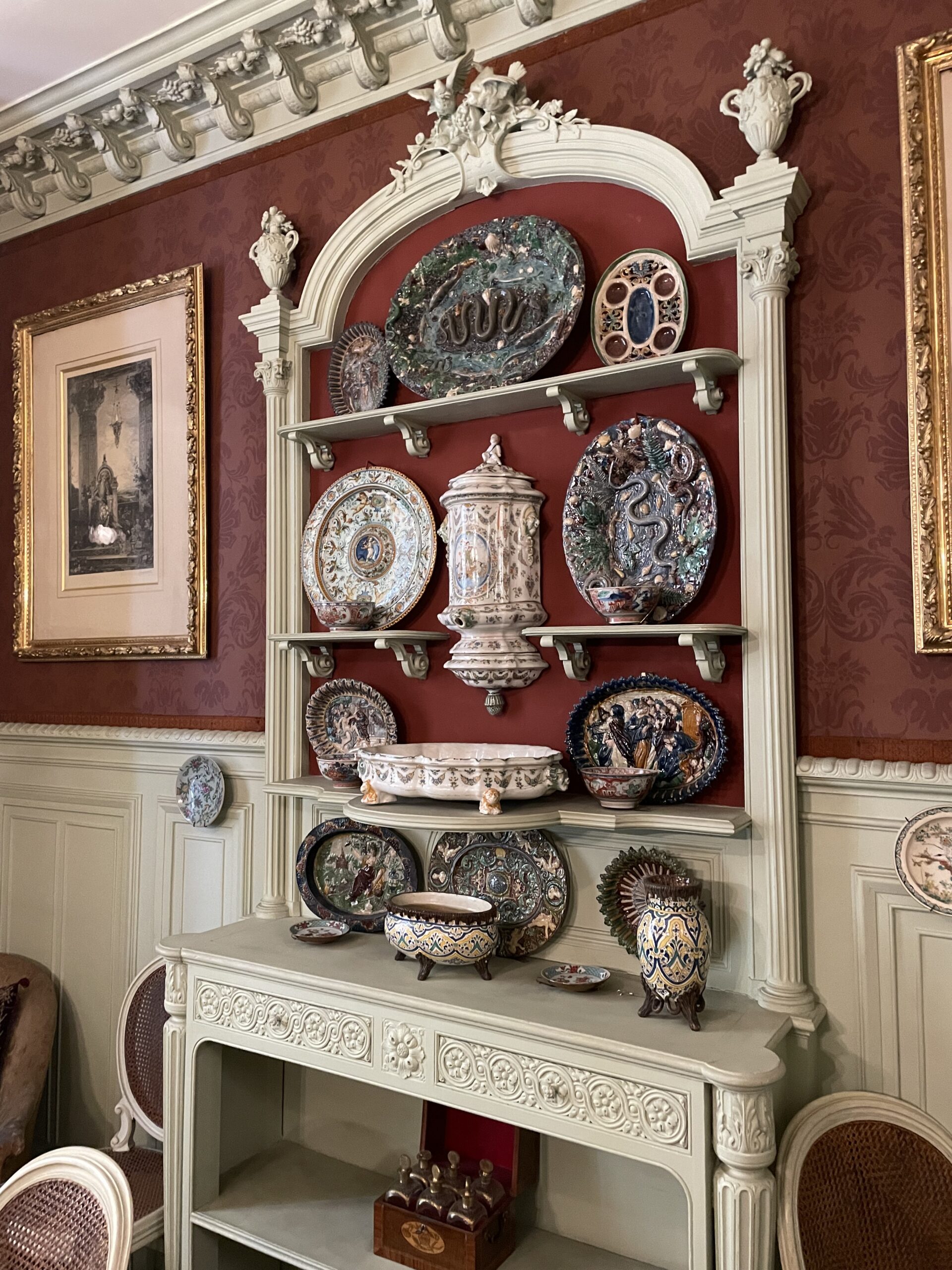
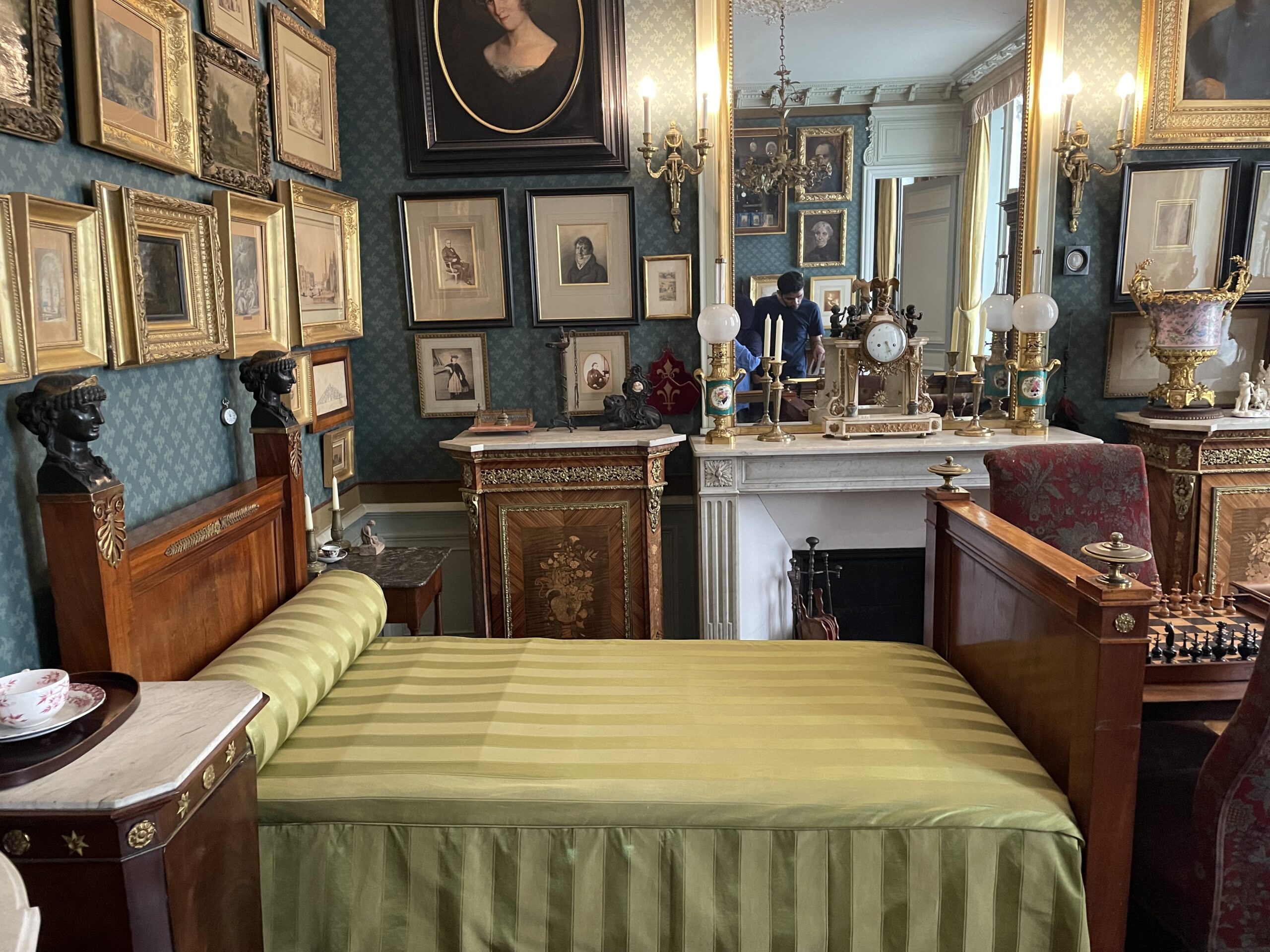
Moreau had some success early on in his career but then progressively stopped participating in salons. Late in life, he started teaching at the École des Beaux Arts. His students apparently adored him and many went on to become Fauvists. He also, after his death, inspired André Breton and other Surrealists. Moreau himself was a Symbolist. He studied history of art assiduously throughout his life and encouraged his students to also immerse themselves in art history (what a concept!)
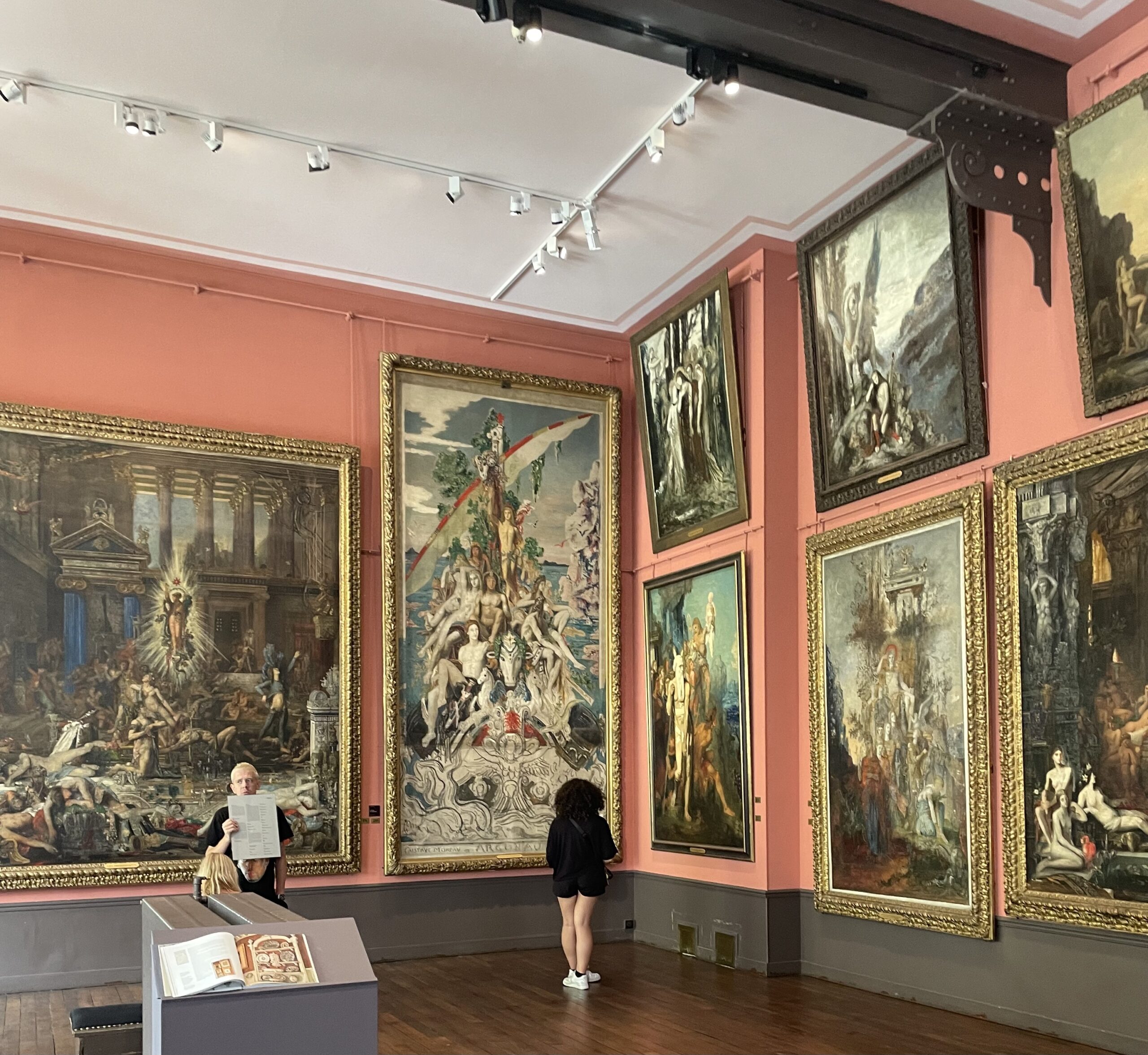
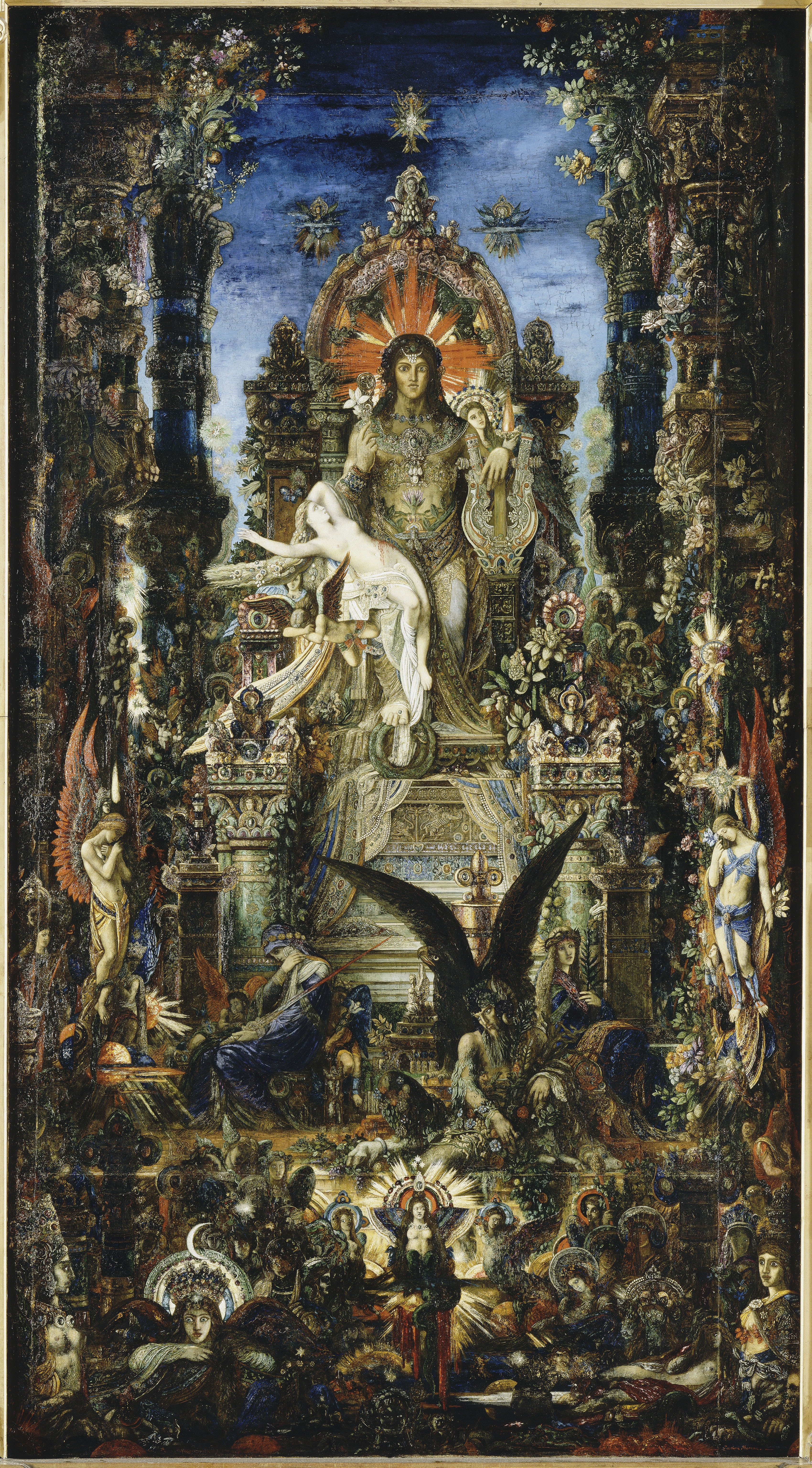
His paintings are hard to describe. I will link a few below but the online images really don’t do the real thing justice. Jupiter et Sémélé particularly struck me. On the scan you can’t really appreciate the quality of light and detail. This painting looks bleh online but IRL it looks almost like he used ballpoint pen to draw over the paint. It’s mesmerizing and makes the art look out of time and style.
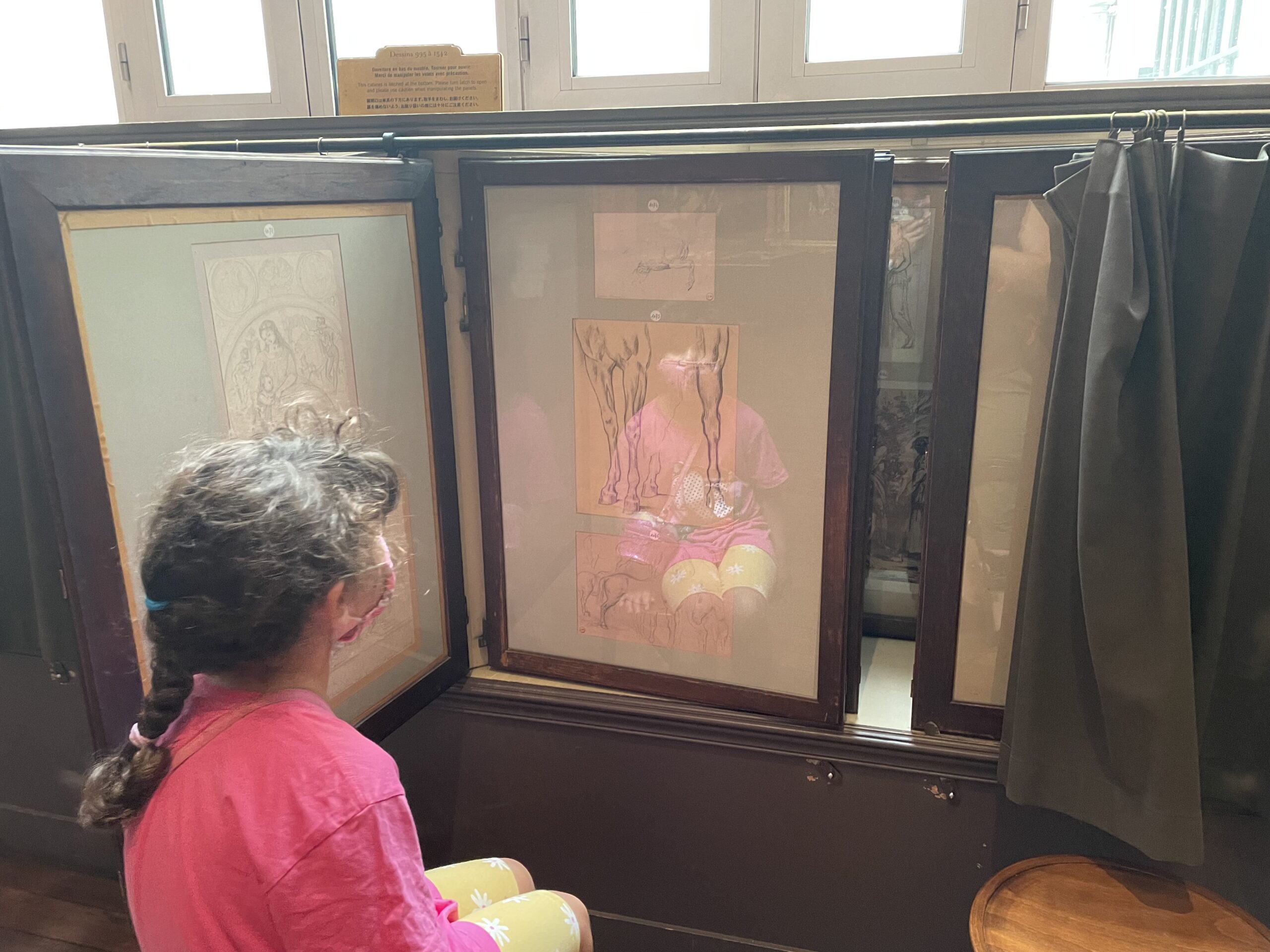
The museum also had hundreds of sketches that you can look through, protected when not in use behind curtains. We all sat and looked at endless sketches of animal musculature.

All this to say that this was, in a sense, the Anti-Orsay. It’s small, it’s dedicated to a single artist, it focuses on the art process, it was purpose built by the artist himself to display his work. It really feels like stepping into the artist’s brain.
I left with the joy of adding another link in my understanding art history, but also seeing a real slice of life from the 1890s. The sense of discovery feels glorious. And that staircase? Totally worth the visit on its own.